Guides · the Charleston Tri-County
Crawlspace moisture in the Lowcountry: why Charleston homes stay damp underneath
A huge share of the mold and musty-house calls we take across the tri-county start in the crawlspace — the part of the home nobody looks at. Lowcountry crawlspaces have everything moisture loves: muggy air most of the year, a water table you can practically shake hands with, flat lots that drain slowly, and an old assumption about ventilation that works against us in this climate. Here's what's actually happening under your floor, and what fixes it for good.
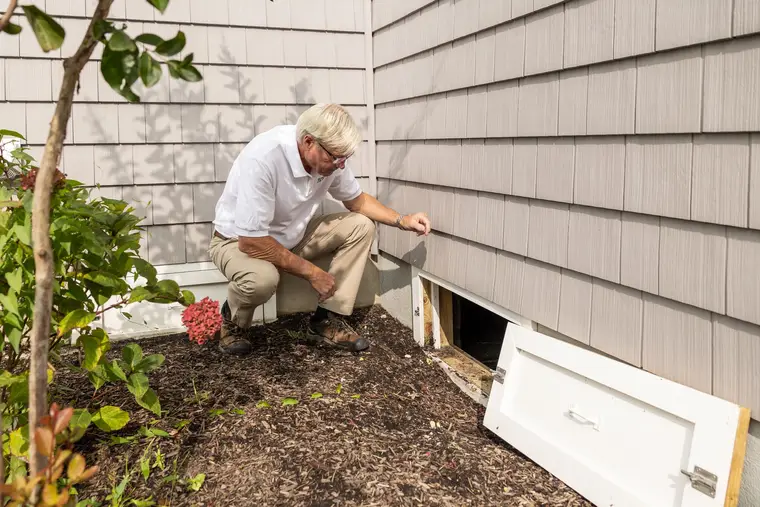
Why crawlspaces stay wet here
- Humid air, backwards ventilation. The old theory was that vents let a crawlspace "breathe." In the humid Southeast it often runs in reverse: warm, wet summer air flows in through the vents, touches cooler surfaces under the house, and condenses. The crawlspace gets wetter with ventilation, not drier.
- A genuinely high water table. Much of the Charleston area sits barely above sea level; after a wet week — or a king tide, close to the creeks — ground moisture rises as vapor off the soil around the clock.
- Flat lots and short gutters. Water that leaves the roof and lands beside the foundation on flat Lowcountry ground doesn't travel; it soaks in and shows up below the house.
- Quiet plumbing drips that run for months where nobody ever looks.
The upstairs symptoms people miss
- A musty smell that's strongest when the AC kicks on — air from below gets pulled up through floor penetrations.
- Hardwood floors cupping at the edges from moisture underneath.
- Doors sticking and trim gapping more than a season should explain.
- Indoor humidity that stays high no matter how hard the AC runs.
- Insulation sagging or falling under the floor — wet insulation can't hold itself up.
The fix sequence (order matters)
Sealing a crawlspace before you've handled bulk water just traps the problem inside. The sequence that works:
- Bulk water first: extend downspouts, clear gutters, correct the grading, fix plumbing leaks. Cheap, unglamorous, half the battle.
- Ground vapor barrier: heavy plastic, properly lapped and sealed over the soil, shuts off the constant vapor rise from a Lowcountry water table.
- Seal and condition instead of venting: in this climate an encapsulated crawlspace with a dehumidifier holds a dry number year-round, instead of following the weather through the vents.
- Then remediate what grew: joists and subfloor with growth need proper cleaning and treatment after the space is dry — treat first and it just comes back.
- Keep score with a cheap hygrometer: below roughly 60% relative humidity is the commonly cited target that keeps mold uncomfortable.
When it's a remediation job, not a weekend project
Visible fuzzy growth across the joists, insulation coming down wet, standing water after every hard rain, or an upstairs musty smell that keeps getting stronger — that's past prevention. At that point the space needs proper remediation: assessment, drying, and treatment, not another roll of plastic. It's one of the most common calls we run in the tri-county, under 1920s peninsula houses and 2020s subdivisions alike.
About Spring Tide Restoration — 24/7 mold, water, storm & fire restoration across Charleston, Mount Pleasant, Summerville, Goose Creek, and the rest of the Tri-County (Charleston, Berkeley & Dorchester counties, South Carolina). On-site assessment before any work starts, and insurance-ready documentation on every job. Emergency line: (843) 825-9092.
Dealing with this now in the Charleston Tri-County?