24/7 emergency response · the Charleston Tri-County
Water damage restoration across the Charleston Tri-County
Burst pipes, roof leaks, appliance failures, storm and tidal flooding — in Charleston's humidity, standing water starts becoming a mold problem within days. Fast extraction, structural drying, and documentation formatted for your insurance claim.
What's involved
What we do
- Water extraction and structural drying with moisture mapping
- Flood cleanup — tidal, storm, and rain flooding are a fact of life here
- Moisture readings and photos formatted for insurance adjusters
- Coordination with your carrier on covered water-damage claims
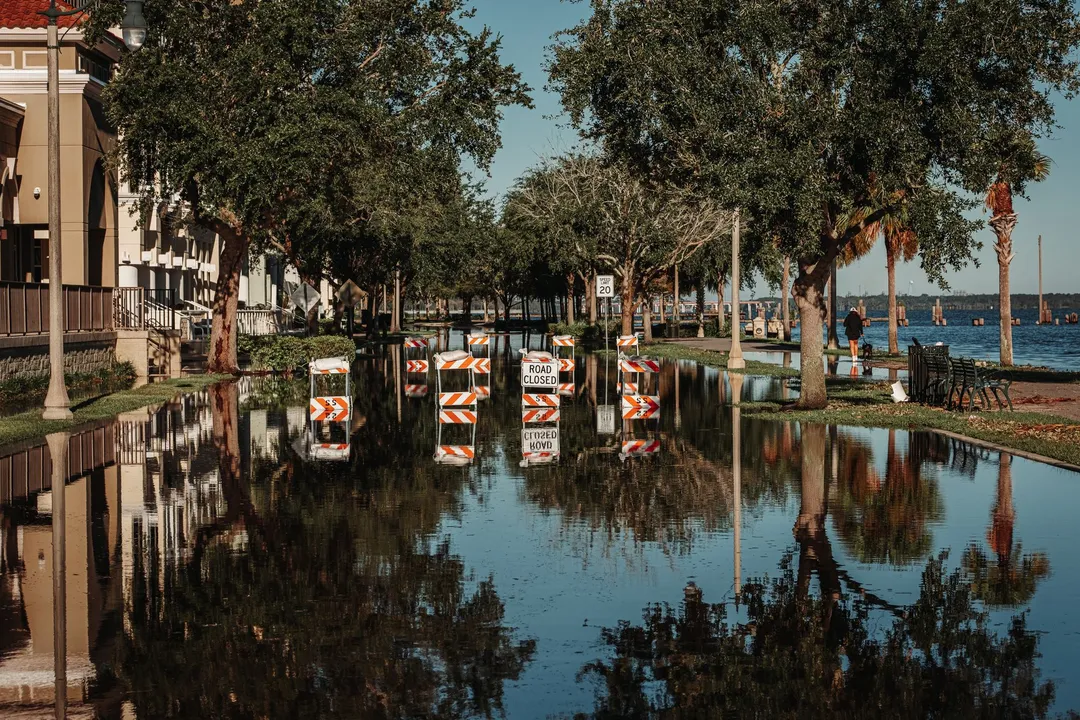
Locally, this is the area's second most-searched restoration service, after mold.
We serve Charleston, Mount Pleasant, North Charleston, Summerville, Goose Creek, Hanahan and the rest of the Charleston Tri-County. Same-region crews, no long waits for someone to drive in.
See all service areas →Right now, before we arrive
- Cut the source. Fixture valve for a single failure; the main at the meter for anything bigger. Outside water — skip to documenting.
- Mind the electricity. Breakers off for wet rooms only if the panel is reachable on dry footing. Never stand in water to flip one.
- Photograph first, clean second. Adjusters pay on before-cleanup evidence. Wide shots, close-ups, the source.
- Skip the wait-and-see. Lowcountry humidity turns wet into moldy within days. Fast drying is the cheap version of this event.
How it works
A clear process, start to finish
Call or request a callback
Tell the line what happened and where. Water and storm events run as emergencies — the clock matters in this climate.
Assessment on site
Moisture readings, photos, and a written scope of what needs to happen — before any work begins, so nothing surprises you.
Mitigate & restore
Containment, extraction, drying, removal — the right sequence for the loss, documented step by step as we go.
Insurance squared away
Documentation formatted the way adjusters expect it, and direct coordination with your carrier on covered claims.
Straight answers
Water Damage questions we hear most
The floor feels dry now. Do I still need professional drying?
Surfaces dry first; wall cavities, subfloors, and framing hold moisture long after. In the Lowcountry's humidity that hidden moisture is where mold starts, and it's why drying is finished when moisture readings say so — not when the floor feels dry.
Will homeowners insurance cover the damage?
Sudden, accidental losses — burst pipes, appliance failures, rain through storm damage — are typically covered. Rising water is different: tidal flooding, storm surge, and water coming up from outside fall under separate flood insurance, which matters a lot in Charleston. We document the water's entry path clearly so the claim lands with the right policy.
How fast can drying start?
Water emergencies run on a 24/7 line, and speed is the whole game — extraction and structural drying started promptly is what keeps a wet floor from turning into a mold job in this climate.
Get help fast
Tell us what happened
Water, mold, fire, or storm damage — send a few details and we'll call you back to assess it. For active emergencies, calling is fastest: (843) 825-9092.
- 24/7 emergency response for water & storm emergencies
- We document everything for your insurance claim
- Serving all of the Charleston Tri-County
What happens when you reach out
- Tell the 24/7 line (or this form) what happened and where — two minutes.
- We call you back fast to talk it through and set the on-site visit.
- Assessment first, in writing — work starts only when you say go.