Guides · the Charleston Tri-County
The first hour after water damage: what to do in Charleston
A supply line lets go, the water heater quits at 2 a.m., a summer downpour lands on a high tide and the ground floor takes on water — however it starts, the first hour decides how the next month goes. In Charleston's climate that hour matters more than it would inland: heat and humidity can turn a wet floor into a mold problem in a couple of days. Here's exactly what to do before a crew arrives.
1. Cut the water off at its source
For a plumbing failure, close the fixture's shutoff valve; for anything bigger, close the main — typically where the line enters the house or out at the meter box near the street. If the water is coming from outside — storm rain or tide — you can't shut off the sky, so skip straight to protecting people, power, and paperwork.
2. Respect the electricity
If water is anywhere near outlets, cords, or the panel, electricity is the real hazard in the room. Kill the breakers for affected areas only if you can reach the panel on dry footing with dry hands. If reaching it means standing in water, don't — no floor is worth a shock. Wait for a professional.
3. Photograph before you touch anything
This is the step people skip and regret at claim time. Insurance adjusters pay on documentation, and before-cleanup evidence beats a tidy room every time. Get wide shots and close-ups of the water, the source, and every damaged surface and item — and don't discard anything until it's been photographed.
4. Move what matters, remove what water you safely can
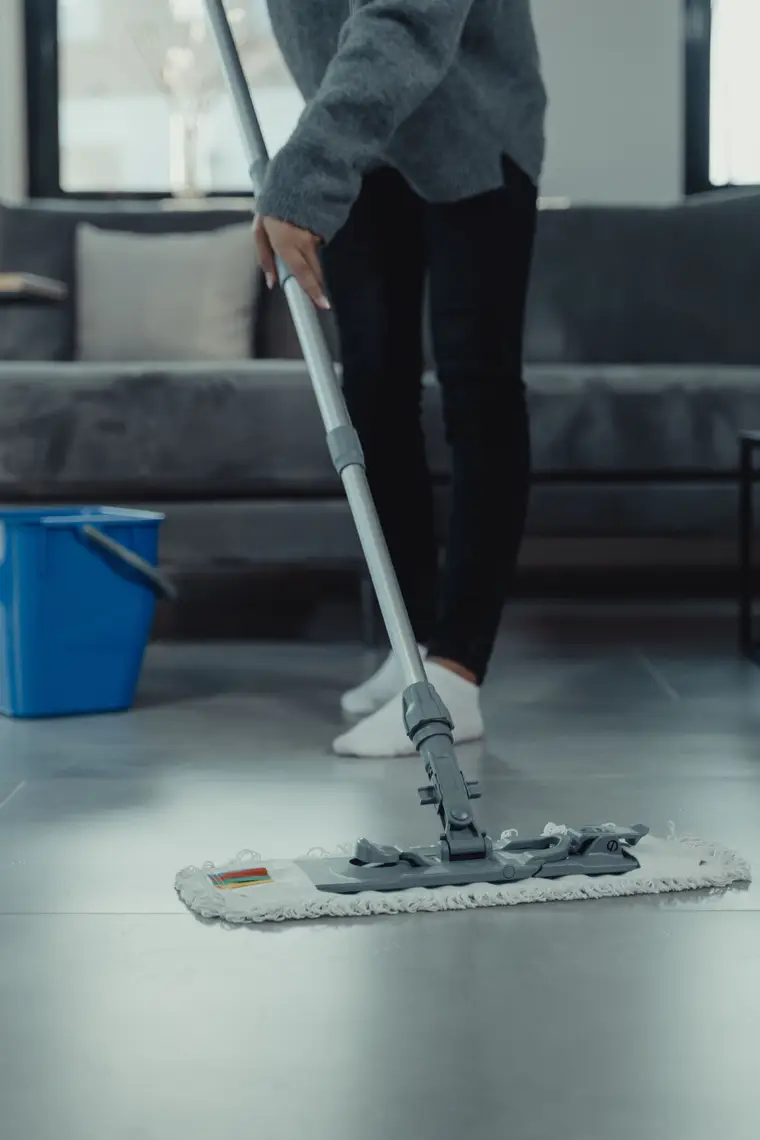
If the water is clean — a supply line, rainwater — and the area is safe, start blotting, mopping, and lifting furniture onto blocks or foil. Every gallon out now is drying time saved later.
- Do NOT wade into water that came in from outside. Charleston street and tide flooding has been through the storm drains — treat it as contaminated and leave it to a crew with protection.
- Do NOT pull water with a household vacuum.
- Do NOT open the windows to "air it out" on a muggy day — Lowcountry outdoor air in summer often adds moisture instead of removing it.
- Do NOT wait to see if it dries on its own. Behind walls and under floors, it won't — and that hidden moisture is where mold starts.
5. Understand the local clock
Mold needs moisture, warmth, and time. Charleston supplies the first two most of the year, which leaves time as the only variable you control. Commercial extraction and structural drying — pulling water out of the building, then pulling moisture out of the structure until the meter readings say dry — is what beats that clock. A shop-vac and a box fan usually can't, and in this climate the difference shows up within the week.
About Spring Tide Restoration — 24/7 mold, water, storm & fire restoration across Charleston, Mount Pleasant, Summerville, Goose Creek, and the rest of the Tri-County (Charleston, Berkeley & Dorchester counties, South Carolina). On-site assessment before any work starts, and insurance-ready documentation on every job. Emergency line: (843) 825-9092.
Dealing with this now in the Charleston Tri-County?