24/7 emergency response · the Charleston Tri-County
Storm and hurricane damage cleanup
Charleston sits face-on to the Atlantic hurricane season, and it floods on high tides even without a storm. Emergency tarping, water extraction, tree-damage cleanup, and structural drying when weather has opened your home to the elements.
What's involved
What we do
- Emergency tarping and board-up after wind or tree damage
- Water extraction from wind-driven rain, roof breaches, and flooding
- Debris removal and structural drying, documented as we go
- Wind vs. flood entry paths documented separately — it decides which policy pays
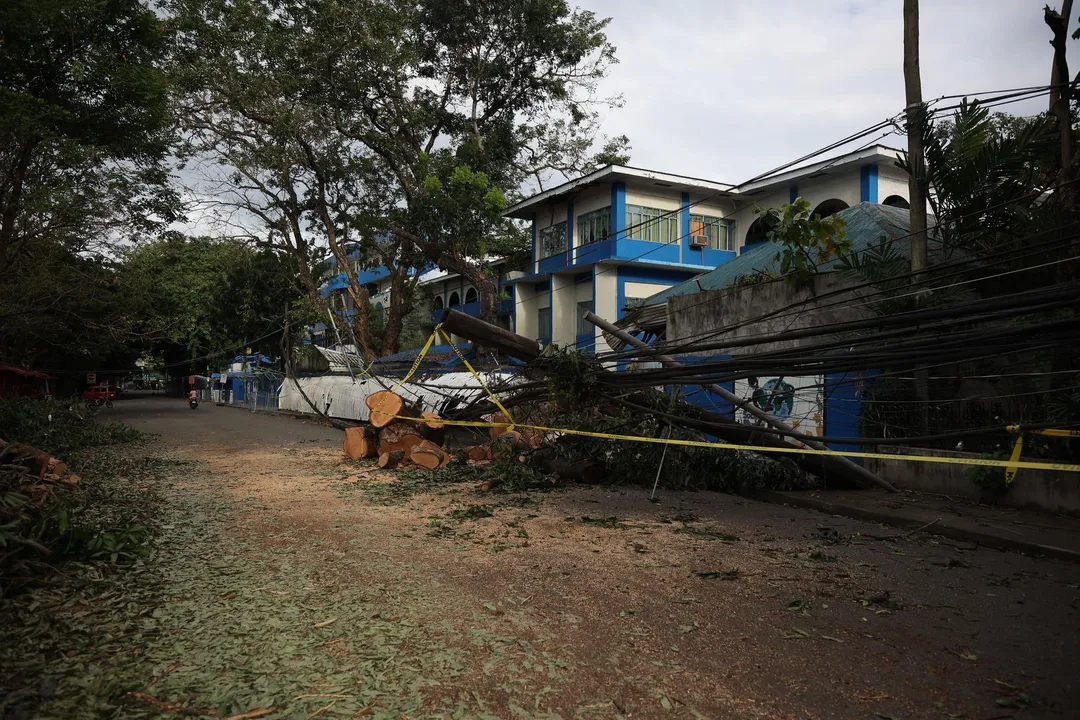
Locally, this is seasonal — and it spikes hard when a system tracks toward the coast.
We serve Charleston, Mount Pleasant, North Charleston, Summerville, Goose Creek, Hanahan and the rest of the Charleston Tri-County. Same-region crews, no long waits for someone to drive in.
See all service areas →Right now, before we arrive
- Safety before property. Every downed line is live until the utility says otherwise. If the structure feels wrong, stay out of it.
- Document everything. Roof, ceilings, waterlines on walls, debris — photos and video before any cleanup starts.
- Cover the breach. Tarping and board-up are the mitigation your policy expects, and they can start before the adjuster's visit. We do this.
- Keep every receipt. Tarps, plywood, board-up, hotel nights — emergency expenses are often reimbursable on the claim.
How it works
A clear process, start to finish
Call or request a callback
Tell the line what happened and where. Water and storm events run as emergencies — the clock matters in this climate.
Assessment on site
Moisture readings, photos, and a written scope of what needs to happen — before any work begins, so nothing surprises you.
Mitigate & restore
Containment, extraction, drying, removal — the right sequence for the loss, documented step by step as we go.
Insurance squared away
Documentation formatted the way adjusters expect it, and direct coordination with your carrier on covered claims.
Straight answers
Storm Damage questions we hear most
Should I tarp the roof before the insurance adjuster sees it?
Yes — photograph the damage thoroughly first, then get it covered. Policies expect you to prevent further damage (it's called mitigation), and emergency tarping and board-up are exactly that. Waiting days for an adjuster while rain keeps coming in usually costs you at claim time.
A tree came down on the house. Who do I call first?
If power lines are involved or the structure feels unsafe, 911 and the utility come first — always. Once it's safe: tarping, board-up, water extraction, and documentation are the next moves, and they can start before your claim is settled.
Storm surge flooded us. Is that the same claim as the wind damage?
Usually not — wind and wind-driven rain typically fall under your homeowners policy (often with a separate named-storm deductible on the South Carolina coast), while rising water and surge fall under separate flood coverage. We document each entry path separately so both claims are clean.
Get help fast
Tell us what happened
Water, mold, fire, or storm damage — send a few details and we'll call you back to assess it. For active emergencies, calling is fastest: (843) 825-9092.
- 24/7 emergency response for water & storm emergencies
- We document everything for your insurance claim
- Serving all of the Charleston Tri-County
What happens when you reach out
- Tell the 24/7 line (or this form) what happened and where — two minutes.
- We call you back fast to talk it through and set the on-site visit.
- Assessment first, in writing — work starts only when you say go.